
A Summer of Service: Ethan Thacker on Amplifying Voices Through The Remedy Project
Each summer, Community Impact selects a few undergraduates from Columbia and Barnard to participate in the annual George Van Amson (GVA) Fellowship, which has successfully aided non-profit organizations in the tri-state area for nearly 20 years.
As part of the fellowship, recipients are provided with summer housing and a $5,000 stipend to support them in pursuing meaningful service within their areas of interest. These focuses can range anywhere from healthcare and food insecurity to social justice, and more.
This year, on Friday, September 25, the GVA Fellows gave presentations showcasing the work and the invaluable lessons they will carry forward in their academic and professional careers. Over 50 people attended this year’s celebration, including the program’s namesake, George Van Amson (CC’74), Columbia University Trustee Emeritus.
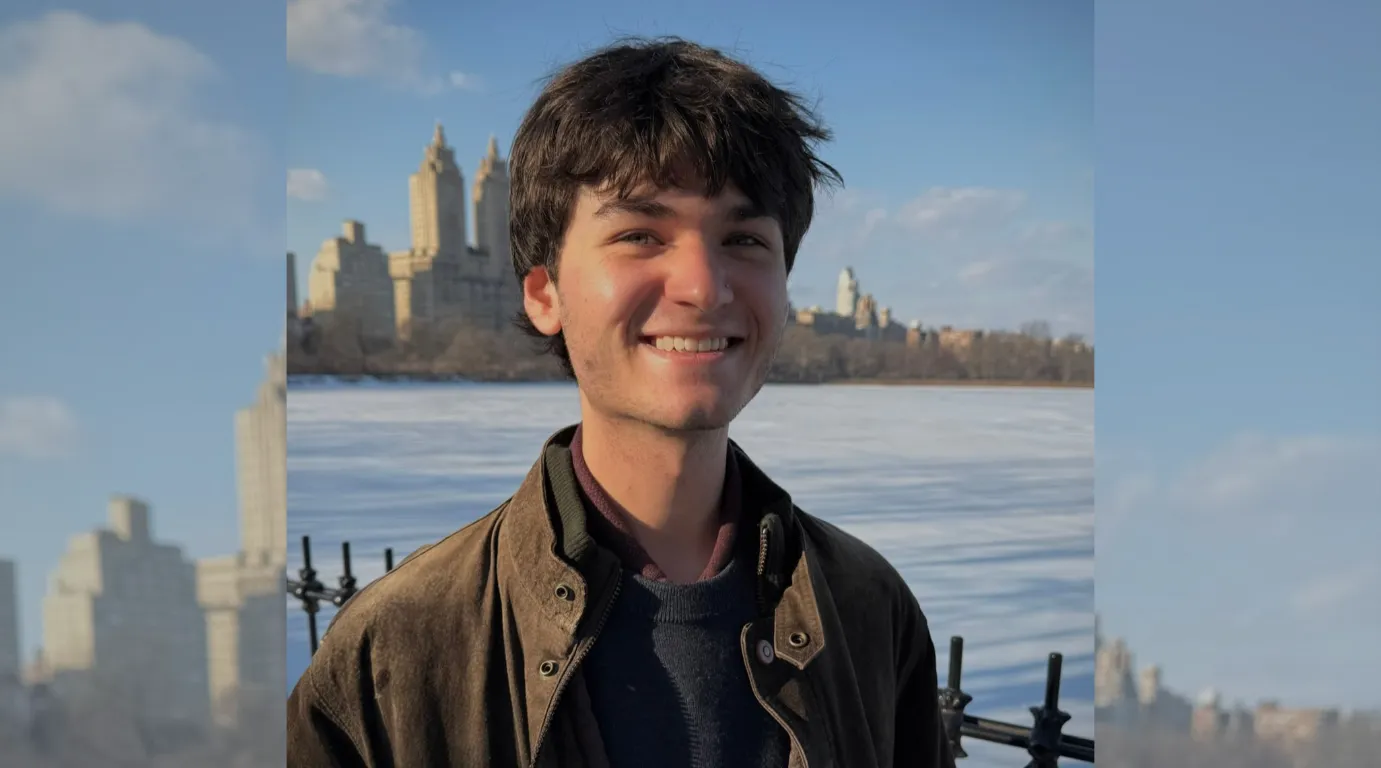
In this series, we’re hearing directly from the 2026 GVA Fellows about their summer experiences and the impact of their work. Next, Ethan Thacker (CC’28) shares his experience working with The Remedy Project.
Ethan Thacker (CC’28): The Remedy Project
As a longtime volunteer with Community Impact, Ethan Thacker has pursued nonprofit work across a range of areas during his time at Columbia.
A third-year student studying anthropology and race and ethnic studies, Thacker brings an interdisciplinary perspective to his work. He currently serves as a direct outreach coordinator for the Columbia Housing Equity Project and leads the In All Languages department at Columbia's campus radio station, WKCR.fm.
Thacker used his GVA Fellowship grant to work with The Remedy Project, an organization that connects formerly incarcerated experts with student volunteers to write and file official administrative remedies, the only official channel to have prison grievances resolved. Throughout the summer, he spent time with the advocacy letters and referrals team, assisting incarcerated people at Metropolitan Detention Center (MDC) Brooklyn through the Administrative Remedy Process.
“My work involved reading through the cases of our members, getting a grasp of what situation they were going through, then finding a compelling way to tell their story, and seeking recognition and relief from elected officials and other aid organizations,” Thacker said. “As The Remedy Project shifted towards focusing on MDC Brooklyn in particular, I began to work on advocacy letters for our members’ sentencing hearings. As MDC Brooklyn is a pre-trial facility, I worked on implementing a participatory defense model, where we provide a character defense, and contextualize someone's situation to their sentencing judge with the aim of a reduced sentence.”
Throughout this experience, Thacker began asking more questions about the nature of incarceration and the difficulties many people encounter while existing or working within the prison system.
“The most eye-opening experience was seeing just how few remedies get granted by the Bureau of Prisons, at under 2%. The system we work against has an airtight method to reject remedies whether or not they deserve attention, and seeing this firsthand made me question the prison system as a whole,” Thacker said. “How are we being protected through mass incarceration, how did we get here, where do we go from here?”
After graduation, Thacker hopes to use the skills he gained from this fellowship to pursue ethnographic research, believing in the power of narrative through proximity.
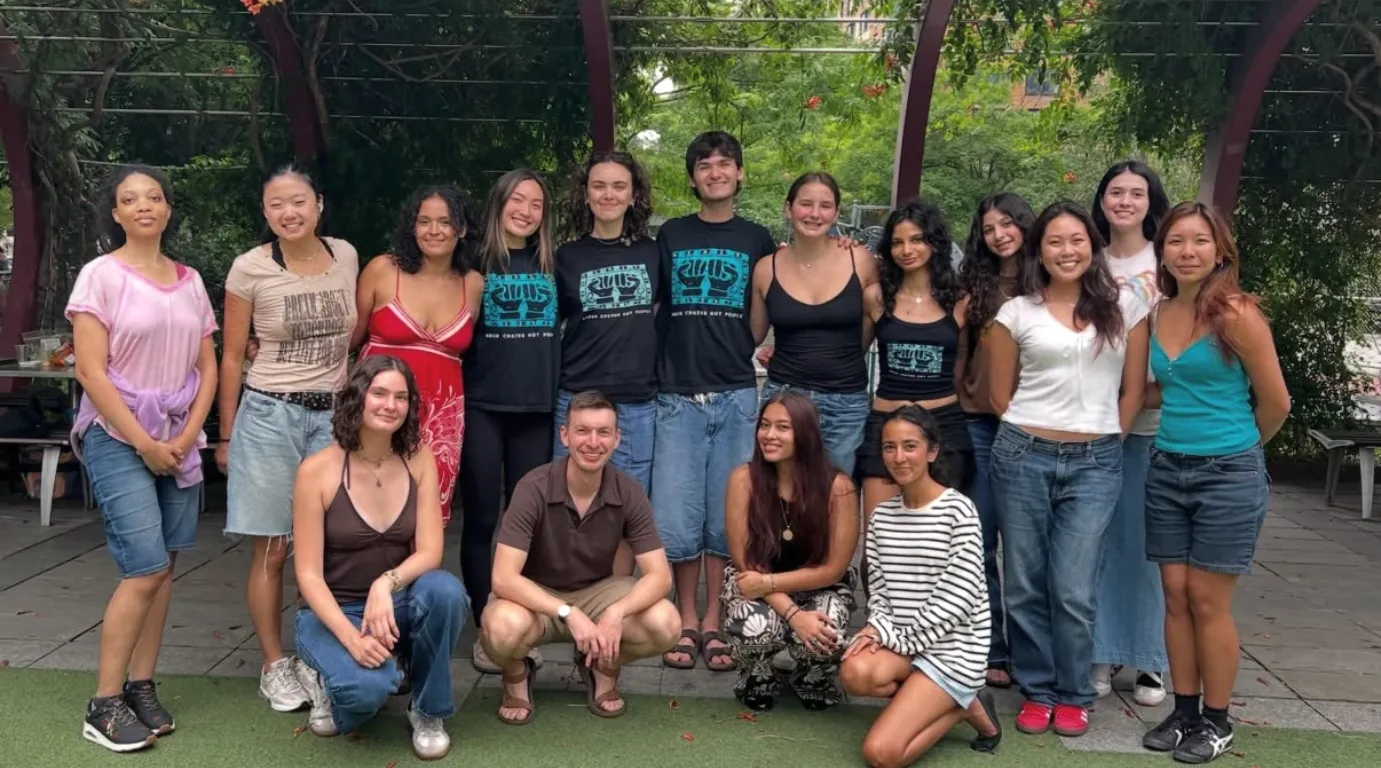
Ethan Thacker (CC’28) standing with fellow volunteers from The Remedy Project.
“I found my experience this summer to be very people oriented, listening to people, persuading people, writing about people. These are skills that transfer into any field that I am interested in.”
“I found my experience this summer to be very people oriented, listening to people, persuading people, writing about people. These are skills that transfer into any field that I am interested in,” Thacker said. “The work I did really brought issues that I had thought of as separated from me and my life into the tactile. Touching mail from prison, being on the phone with incarcerated people, then channeling that energy into my writing, made the issue and the inhumanity of incarceration more real.”
Despite the everyday challenges of managing expectations, emotions, and even logistics, Thacker holds that this experience was a defining moment that has and will continue to motivate him.
“I learned that for all the difficulties that come with working in the non-profit sector, taking the hurt you hear from others home, the grueling feeling that you are the only organization that cares about the issue, the people that you encounter [still] lift you up,” Thacker said. “This summer, I had the opportunity to meet so many incredible colleagues and allies in the movement, and their work continues to inspire me to keep going.”