
Caroline Baldessin (GS’26) on Being a First-Generation Student and Making Her Family Proud
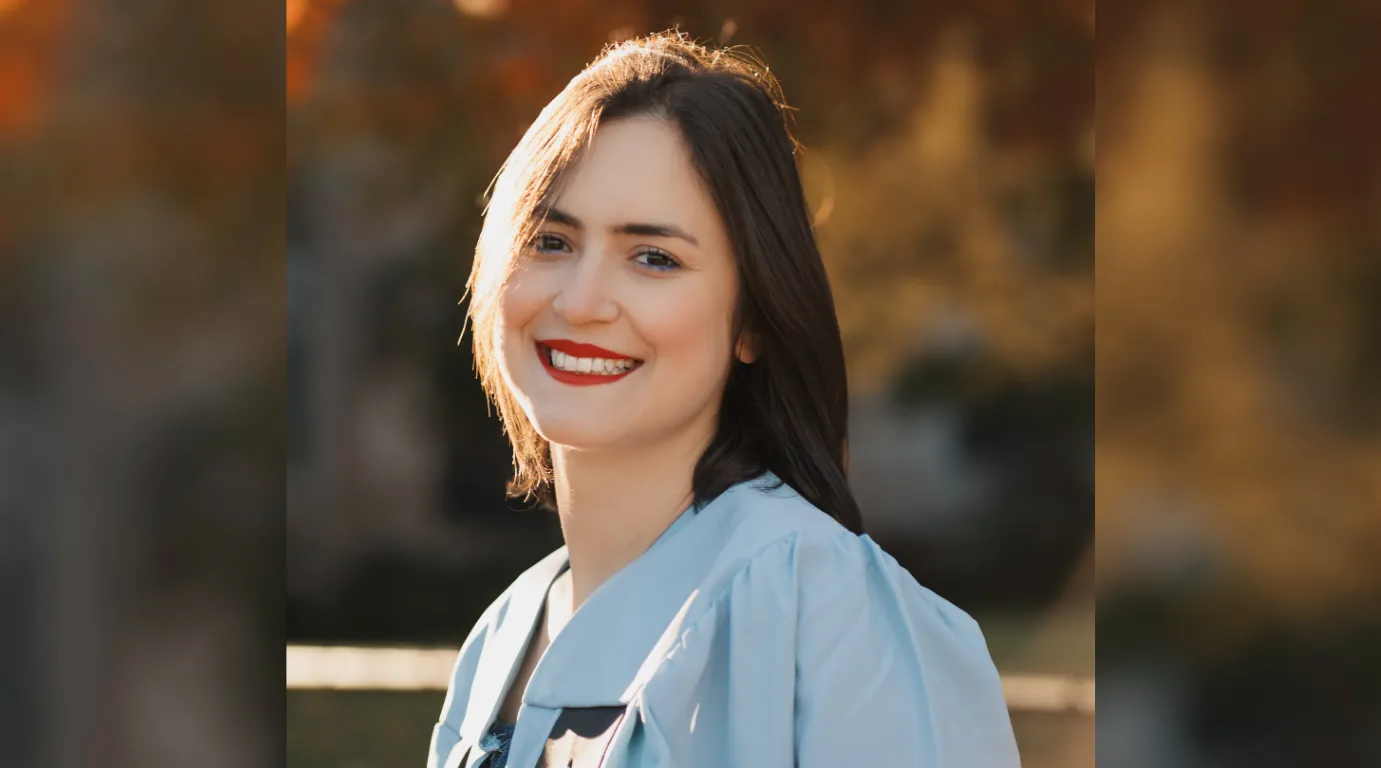
Observed annually on November 8, National First-Generation College Celebration Day is a dedicated time to honor students at higher education institutions who have worked diligently to pursue academic excellence.
First-gen students are generally individuals whose parents did not complete a four-year college or university degree. This week, we’re sharing a few first-gen student stories from across Columbia to celebrate their achievements, resilience, and inspiring journeys.
First up, we chatted with Caroline Baldessin (GS’26), an international and first-generation student from Brazil, who studies psychology. Throughout her time at GS, she’s stepped into the role of teaching assistant (TA), and is helping to support pharmacological research efforts around drug use and neuroscience.
Continue reading below to hear Caroline’s advice for other first-gen students and to learn more about the important work she is pursuing!
Can you tell us a little about yourself?
My name is Caroline Baldessin. I’m an international GS student graduating now in December. I study psychology and my main interests in the field are substance use, pharmacology, neurobiology and behavior, and mental disorders. Besides academics, I’m very passionate about food, cats, and trying to create a better and fairer world for the next generation.
What does being a first-gen college student mean to you?
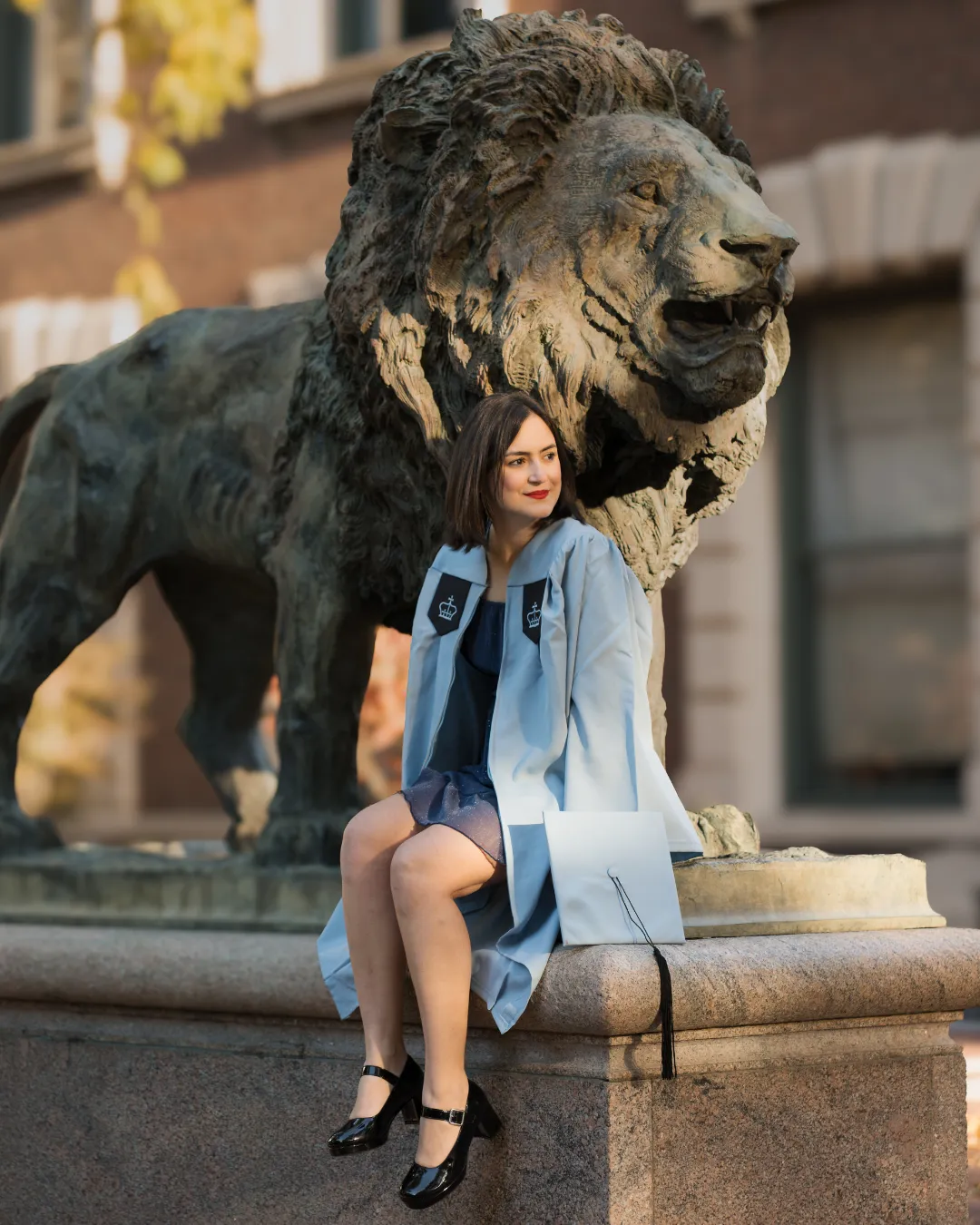
It comes as an honor. I’m the first in my family to be able to pursue higher education, especially in another country, and I don’t take that lightly. Every day I do my best to improve and achieve my goals and make my family proud. I’m very passionate about learning, and I don’t feel like it’s a burden to be in this position. I see it as a one in a million opportunity, considering that I come from a very humble household in Brazil, in which I didn’t have a lot while growing up. Being a student at Columbia University is a dream come true not only for me, but for my whole family, whom I proudly represent.
What has been one of your proudest moments or most meaningful accomplishments during your time at Columbia?
My proudest moments and most meaningful achievements were having the opportunity to do research alongside Dr. Carl Hart, and then working with him. Over the past couple of years, we have investigated drug use and how the media can change public perception and create unnecessary “drug panic.” Nowadays, I’m a teaching assistant to Dr. Hart in his course Drugs & Behavior. In this role, I get to explore drug use and pharmacology even more closely and learn from the best in the field. On top of that, I get to assist students and get a glimpse of what it is like to be a professor.
How has your family or community influenced your educational journey? What does reaching this milestone mean to you and those who have supported you?
My mother is the one who inspires me the most. As the oldest daughter, she did not get to study much when she was young because our family didn’t have a lot of resources or opportunities and she had to start working from a very young age to help support my grandparents and her siblings. However, she did not give up on her education. After my brothers and I grew up, my mother went back to school and got her high school degree, and later, a technician certificate. She was able to get a better job and make sure that I would live her dream of attending a higher education institution. Reaching this milestone means the world to me and to my mother.
What advice would you give to an incoming first-gen student who is just beginning their college journey?
Take all the risks and explore all the opportunities a place like Columbia can offer you. Don’t just sit quietly in class. Ask questions, go to office hours, get to know your professors and TA’s — especially in the fields you’re most interested in because that’s how you build bridges and strengthen your connections.
"Be and stay curious!"
Be and stay curious! Don’t just wait for the opportunities to magically appear in front of you. Do your “homework” and look for the chances that no one is talking about. This might sound silly, but read the emails and announcements from faculty and departments. If you don’t, there’s a big chance you’ll miss something that could benefit you now or in the future.
*This post has been edited for length and clarity.